Real Estate Photography: Quality and Sale Price in Brisbane
Photography is the front door of your sale campaign. Here is what separates good photography from mediocre, what it costs, and how it affects the price you achieve.
Most buyers in Brisbane's inner east see your property for the first time on realestate.com.au or Domain. They scroll quickly through search results, lingering on listings whose hero image stops them, and skipping past those that do not. The hero image and the first three to five photos in the gallery decide whether your property gets considered or skipped.
This makes photography the most leveraged spend in your marketing budget. The difference between excellent photography and mediocre photography is rarely more than a few hundred dollars in cost. The difference at sale can be tens of thousands.
Why photography moves the price
Real estate price is set by competition between buyers, not by the property's intrinsic value. Strong photography increases the number of buyers who shortlist the property, which increases the number who attend the open home, which increases the depth of buyer interest at offer time, which moves the price.
Conversely, weak photography filters out buyers who would have considered the property if they had seen it in a better light. Those buyers do not turn up. Their absence at the open home becomes invisible: the agent reports "moderate interest, three groups." But the comparison is between the campaign that ran and the campaign that could have run with better photos. Sellers rarely see what they missed.
The technical fundamentals of good photography
Lens choice. Real estate photography needs a wide-angle lens (typically 14 to 24mm equivalent on full-frame, narrower on APS-C) to capture the room context. Too wide (8 to 12mm) creates unnatural distortion that buyers feel even if they cannot articulate it. Too narrow (35mm and above) makes rooms look smaller than they are.
Exposure handling. Most rooms have an exposure problem: the interior is dim relative to the windows. A single exposure either burns out the windows (loses the view) or underexposes the interior (looks dark and dingy). Good photographers solve this with HDR (multiple exposures merged) or with off-camera flash to lift the interior to match the window exposure.
Vertical alignment. Straight walls in real life should look straight in the photograph. Leaning verticals (caused by the camera tilting up or down) make rooms look unstable. A tripod with a level, plus careful framing, fixes this.
Colour temperature. Mixed light sources (warm interior bulbs and cool window light) need careful balancing in editing or the photo looks sickly. Each room should feel naturally lit and cohesive.
Composition. Each shot should have a clear subject, balanced edges, and avoid cluttered foregrounds. Bins, power cords, kids' toys, and cleaning products should be removed before each shot. The best photographers walk through with the agent and arrange the room before each photo.
What separates excellent from average
Average real estate photography is technically competent. The exposure is acceptable, the verticals are mostly straight, the lens is appropriate. It does not stand out and does not move the buyer.
Excellent photography does several additional things:
Time on each shot. The photographer takes 20 to 40 minutes per room, not 5. This includes setting up the tripod, arranging the scene, taking multiple frames, adjusting flash positions, and walking around to find the strongest angle.
Light direction and time of day. Some rooms photograph dramatically better at specific times. The west-facing kitchen at 4pm in winter has different soft directional light than at 11am. The best photographers shoot at the right time for the room, even if it means returning later or shooting over two visits.
Hero image selection. One image becomes the listing's hero. Excellent photographers can identify which shot will perform best in the realestate.com.au search grid (where it competes against other thumbnails), as opposed to which shot looks best on its own.
Drone for context. A drone shot showing block shape, street position, and the property in context is now expected for houses in the inner east at most price points.
Twilight for hero. A dusk or twilight exterior shot, where the interior lights glow against a deep blue sky, is one of the most engaging images in real estate. It costs slightly more (the photographer shoots a separate 20-minute window at sunset) but consistently produces the strongest hero image.
Cost ranges in Brisbane
Budget tier ($300 to $450): A standard package, 12 to 18 photos, basic editing, no drone, no twilight. Suitable for entry-level units or when budget is tight.
Standard tier ($500 to $750): 18 to 25 photos, drone exterior, professional editing, decent quality. The default for most inner east house listings under $1.5M.
Premium tier ($800 to $1,400): 25 to 35 photos, drone, twilight hero, video walk-through, floor plan. The standard for inner east houses above $1.5M and for any property where the photography clearly differentiates the listing.
Editorial tier ($1,500 plus): Magazine-quality photography for prestige properties, often with longer shoot time, multiple sessions, and elaborate post-production. Reserved for properties where the marketing investment justifies the cost.
For most inner east houses, the standard or premium tier is appropriate. Going to budget tier on a $1.5 million home is false economy. Going to editorial tier on a $700,000 unit is overkill.
What you can do before the photographer arrives
Declutter aggressively. Clear surfaces of small items. Hide bins, dishrack, dog bed, kids' toys. Remove magnets and notes from the fridge. Take down family photos that personalise the space.
Deep clean. Glass surfaces sparkling, floors immaculate, kitchen and bathrooms spotless. Photography catches dirt that the human eye misses.
Open windows and curtains. Let natural light in. Wipe down skylights if you have them.
Replace any blown bulbs. Every globe in the house should be working and ideally matched in colour temperature.
Style key rooms. Fresh flowers in the kitchen and dining. A book and coffee cup on the bedside. Towels rolled neatly in the bathroom. Bedspreads pulled tight.
Garden and exterior. Mow the lawn the day before. Sweep paths. Remove cars from the driveway. Coil and hide the hose. Position outdoor furniture to look inviting.
Choosing the photographer
Most agents have a preferred photographer or two they work with regularly. Ask to see recent examples of photography from your suburb at your price range. The portfolio examples on the photographer's website are usually their best work; ask for the actual photos used on a recent listing instead.
If the agent's preferred photographer's work is mediocre, you can request a different photographer. The cost difference between an average and an excellent local photographer is usually $200 to $400, which is the smallest variable in your campaign budget. Push for the better one.
Re-shooting if the first attempt is weak
If the photos delivered are clearly weak (dark, distorted, poorly composed), it is reasonable to ask for a re-shoot before the listing goes live. Most photographers will agree to a partial re-shoot if specific shots are below standard. Re-shoots after the listing is live are awkward but possible if the campaign is underperforming.
The best moment to insist on quality is before the photographer leaves on shoot day. Walking through the camera back-of-screen with the photographer and agreeing on the shot list together is more effective than reviewing the final files three days later.
Preparing for a sale? Daniel can recommend specific photographers and shoot timings for your home and walk through the marketing package before you commit. Book a walkthrough.
Part of the Preparing to Sell guide series
About the author
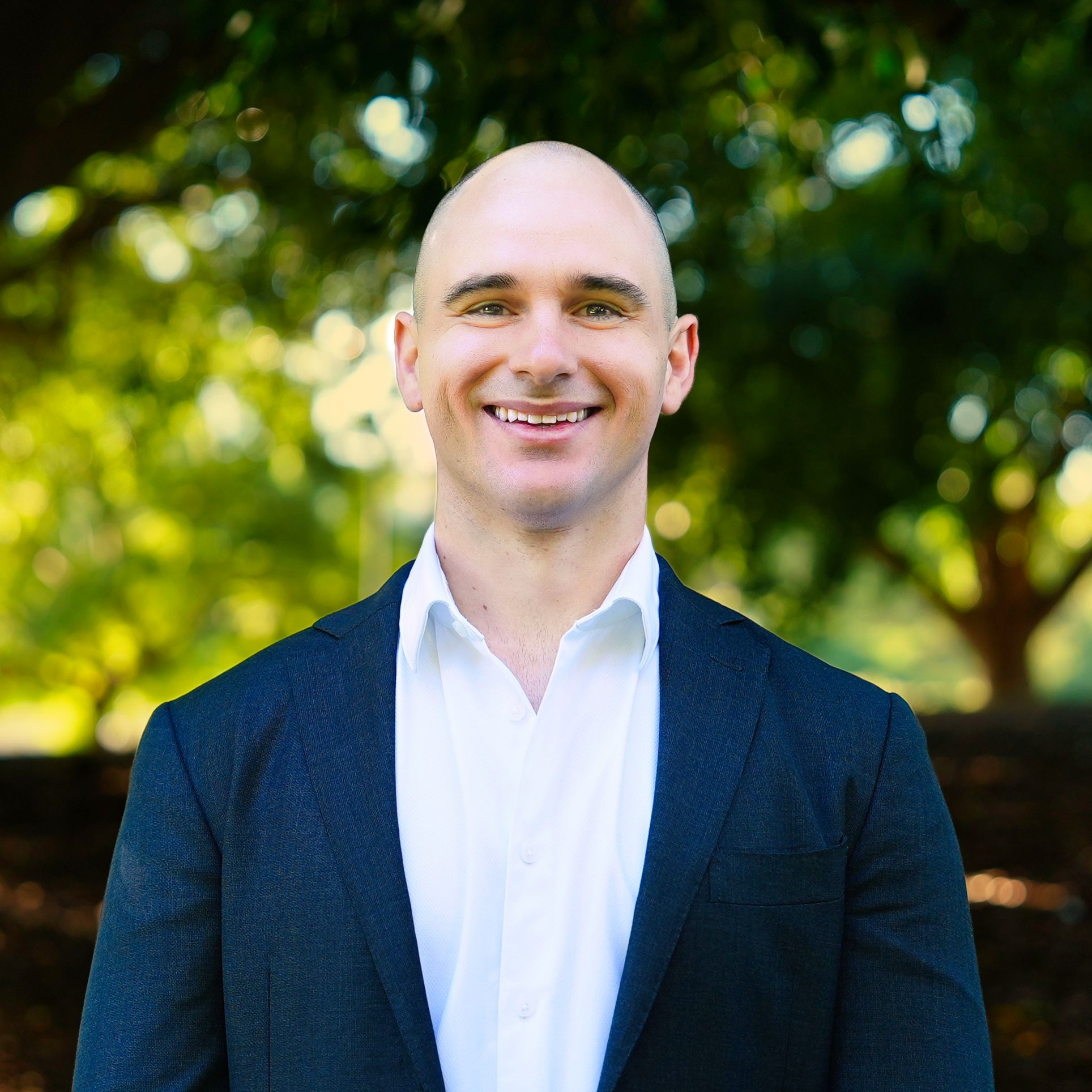
Daniel Gierach
Daniel Gierach is a REIQ-licensed real estate agent with Ray White Bulimba, specialising in Brisbane's inner east. He is an active practitioner, not an editorial voice, working daily with buyers and sellers across Bulimba, Hawthorne, Balmoral, Morningside, Camp Hill, and the surrounding suburbs. His articles draw on current campaign data and firsthand market experience.
View Daniel's profile →