Camp Hill
Selling in Camp Hill, Brisbane.
Specialist property sales in Camp Hill and Brisbane's inner east.
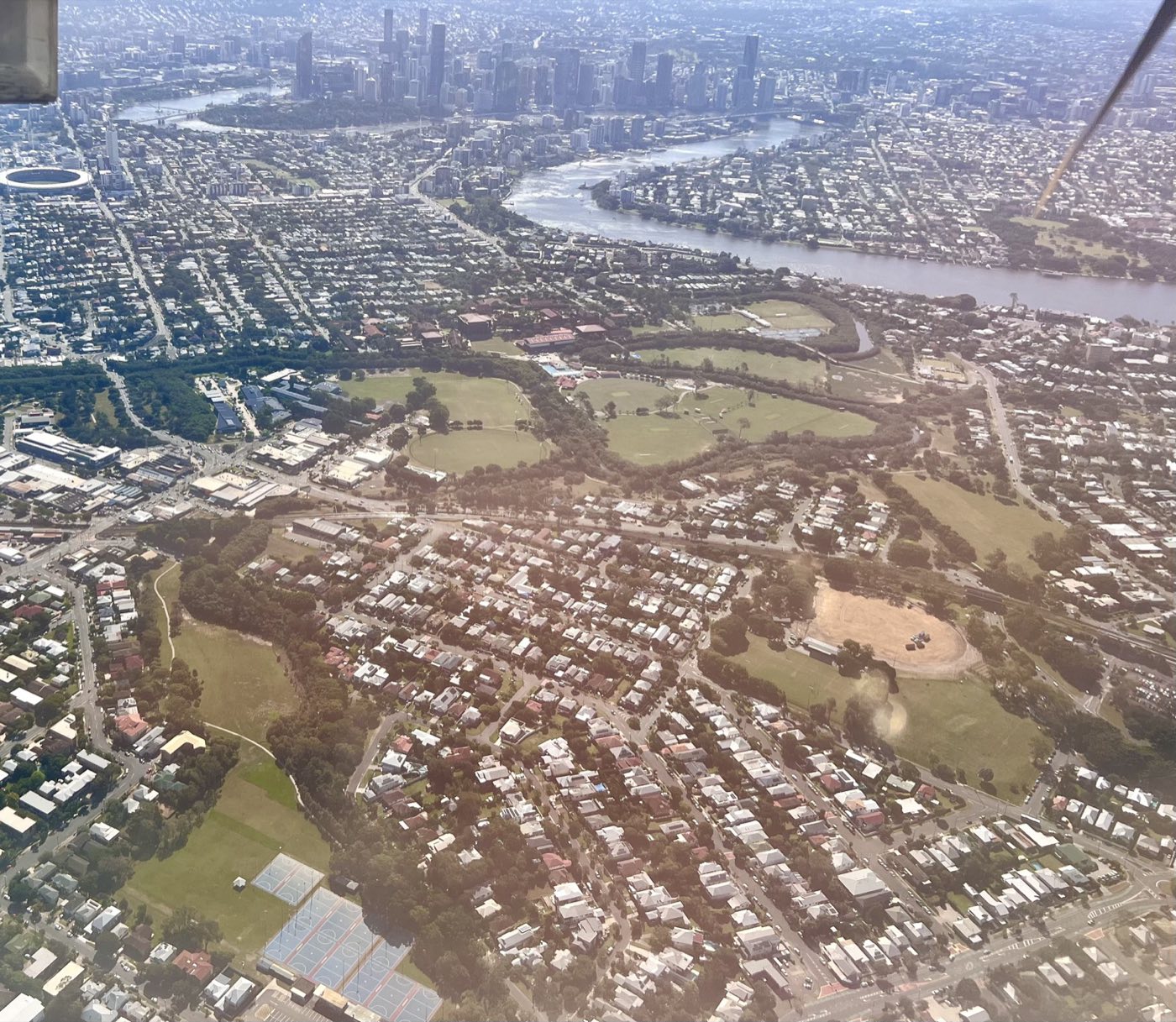
Photo: Kgbo · CC BY-SA 4.0
Camp Hill at a glance
To Brisbane CBD
5 km
Inner East Brisbane
The homes
Queenslanders + post-war
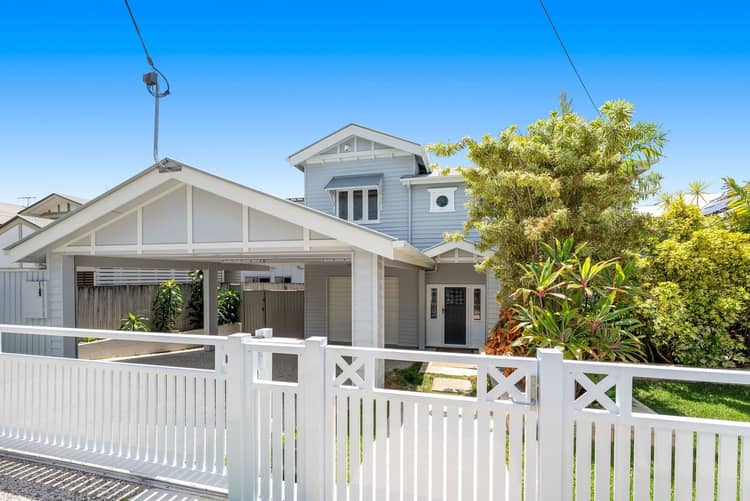
Character homes and 1950s cottages on 500 to 700 square metre family blocks
On the train
Coorparoo station
Cleveland line
Drive to the city
10 to 14 min
Off-peak
State primary
Whites Hill State College (P-12)
Green space
10 parks
Whites Hill Reserve's 170 hectares, 13 tracks and two lookouts on the doorstep
Local Expertise
Elevated living with strong inner-east appeal.
Camp Hill offers the elevated lifestyle of Brisbane's inner east with excellent access to the CBD, good schools and a relaxed suburban atmosphere. It consistently attracts families and upgraders looking for space, character and a quality neighbourhood.
I know Camp Hill well. I understand the buyer profile, what motivates them and how to position a property to attract genuine competition. That local knowledge is the foundation of every campaign I run here.
Camp Hill Marketplace on Old Cleveland Road gives the suburb its village retail anchor, and buyers upgrading from Coorparoo or Holland Park consistently target the elevated streets in this precinct. Whites Hill Reserve provides significant green space along the eastern boundary, and homes with reserve frontage or outlook regularly outperform suburb medians at auction. The highest-performing streets in Camp Hill sit along the ridge, where north-facing blocks with city views attract a premium buyer segment. Prestige home values have continued to strengthen here as limited supply meets persistent demand from families wanting to stay within the inner-east corridor.
Book a Walk Through
Find out what your Camp Hill home is worth.
FAQ
Common questions about Camp Hill.
What drives property values in Camp Hill? +
Camp Hill property values vary by block size, position and condition. The suburb's elevated position, quality schools and mix of character Queenslanders and renovated post-war homes sustain strong demand from family buyers.
How long does it take to sell a home in Camp Hill? +
Well-priced Camp Hill homes typically sell faster than the Brisbane average when priced correctly. The suburb draws a competitive buyer pool given its proximity to the CBD, the Whites Hill Reserve and its reputation as one of the inner east's most liveable addresses.
What is the lifestyle like in Camp Hill? +
Camp Hill has a relaxed elevated lifestyle with easy access to Martha Street's café strip, Whites Hill State College and extensive bushland reserves. It appeals strongly to families who want inner-city proximity without sacrificing quiet, tree-lined streets.
Is Camp Hill a good suburb to buy in right now? +
Camp Hill continues to attract strong demand from buyers seeking lifestyle quality and school catchments in the inner east. Limited new supply and consistent buyer competition have supported steady price growth, and the suburb remains one of the more sought-after family addresses in this corridor.
Suburb deep-dive
A practical guide to Camp Hill.
The story of Camp Hill
Camp Hill began as Schick's Hill. Peter Schick and Kasper Klupfel bought the founding land in 1859, bordered by Old Cleveland Road, Bennetts Road and Lloyd and Pampling Streets, next to Four-Mile Camp, the rest stop where drovers and teamsters hauling to Cleveland spelled their teams at the permanent waterholes. Complaints about the steep climb led to public works on "the Four Mile Camp Hill", and the name shortened from there. By the 1890s, Schick's Hill had disappeared from use.
The trams built the suburb. The steam-hauled Belmont Tramway ran through from 1912, the electric tram arrived from Coorparoo in January 1925, and services ran along Old Cleveland Road until April 1969. The suburb still carries the evidence: roughly 600 metres of 1948 concrete tram track survives in the Old Cleveland Road median between Camp Hill and Carina, on the Queensland Heritage Register since 2000 as one of Brisbane's first mass-concrete track builds. Most residents drive past a state heritage listing every day without knowing it.
The schools and halls followed the tram. Mount Bruce State School opened in 1926 and took the name Camp Hill State School in 1931, St Thomas' opened its school in 1929, and the Camp Hill School of Arts opened in 1940, paid for by a Progress Association that fundraised through picture nights, chocolate wheels and an "ugly man" competition. The city's local heritage list also holds two of the area's oldest houses on Ashton Street, Isleworth and Forster's Dairy Cottage, both from the farm era of the late 1880s, and the Whites Hill lookout itself.
For a seller, the through-line is that Camp Hill's inter-war streets, tram-era shops and hilltop reserve give it an established character that buyers read instantly, and the elevation the teamsters complained about is now the thing people pay a premium for.
Getting around
Camp Hill does not have its own railway station. Coorparoo station on the Cleveland line is the closest option for southern Camp Hill streets, and Norman Park station serves the northern side; which is closer depends on the specific address. Off-peak travel from Coorparoo to Central runs around 10 to 14 minutes. Live timetables at translink.com.au/plan-your-journey.
The bus spine is Old Cleveland Road. The 200 runs to Queen Street, the 204 to Fortitude Valley, and the 222 to Roma Street, all confirmed at the Camp Hill stops. Routes change with TransLink service updates, so the journey planner is the reliable source for any specific street.
By car, the M3 corridor handles southern travel and the Story Bridge via Stanley Road puts the CBD around 10 to 14 minutes away off-peak.
For active transport, Whites Hill Reserve carries its 13 walking tracks and the 1.3 kilometre Boundary Road bikeway on the doorstep, and the Norman Creek bikeway network sits off the suburb's western edge.
For full timetables, route maps, and live updates: translink.com.au
Schools
Whites Hill State College is a P-12 state school within the area, and Whites Hill catchment access is one of the central buyer-decision drivers in Camp Hill. The catchment boundary materially affects buyer interest on a street-by-street basis. Confirm boundaries through the Queensland Government's catchment lookup at qgso.qld.gov.au/maps/edmap.
Camp Hill State Infants and Primary School is the other local primary state option.
For private schooling, Loreto College and Villanova College in Coorparoo are within a short drive, and St Thomas Catholic Primary sits within Camp Hill itself.
Pockets and character
Camp Hill breaks into three pockets buyers consider distinctly.
The Whites Hill catchment core is the premium pocket for the family-home market. Streets within the Whites Hill State College catchment carry a clear premium, and the catchment boundary is one of the most-checked pieces of information by buyers researching the suburb.
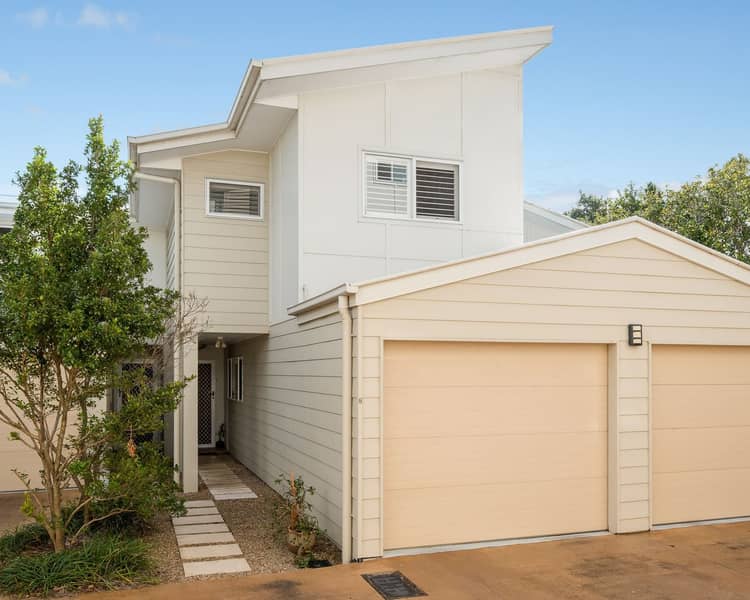
The Camp Hill Marketplace village pocket sits close to the strip. Walkable to coffee, casual dining, and daily-life retail. Mix of character homes, contemporary builds, and townhouses.
The Stones Corner-adjacent pocket sits along the western boundary. Different lifestyle access, different price profile, often considered together with Stones Corner by buyers searching the area.
When buyers ask which Camp Hill pocket to target, the answer typically starts with the catchment question.
Lifestyle and amenity
Martha Street is the pocket that made Camp Hill's name in the cafe pages. Picnic at 12 Martha Street and Florence at 54 run the daily trade, with Blackbird Espresso around the corner on Newman Avenue, and the precinct draws visitors from well outside the suburb. Camp Hill Marketplace on Samuel Street, the merger of the old Whites Hill and Samuel Street villages, carries the Woolworths and about forty specialty retailers, from Jocelyn's Provisions and Nodo to a craft butcher. The Bennetts Road corner adds the long-standing takeaway strip at number 82, and the Stones Corner precinct and Coorparoo Square sit close by for the bigger nights.
For clubs, the Camp Hill Bowls Club has run on Ferguson Road since 1944, with a city skyline over the greens and a Thai kitchen on site, and the Holland Park Hawks play their football at Whites Hill Reserve despite the name.
For open space, ten council parks sit inside the suburb, with two fenced dog off-leash areas at Whites Hill Reserve and Perth Street Park. Whites Hill Reserve itself, roughly 170 hectares shared with Carina Heights, carries 13 interconnected walking tracks and two lookouts: Whites Hill Summit for the city and Sankey's Mountain for the coast.
The topography is hilly enough that elevation matters in the pricing conversation. Many streets sit on hills with western or city outlooks.
The lifestyle here is family-suburb inner-east. Catchment, parks, village strip, and residential character bundled together.
Who's buying here
Three buyer types drive the Camp Hill market.
The largest is family upgraders. Parents upgrading from Coorparoo units or smaller East Brisbane properties for the Whites Hill catchment access. The catchment is the central driver and the campaign typically reflects that.
The second group is inner-east upgraders. Buyers moving up from Greenslopes, Stones Corner, or Coorparoo who want the family-suburb feel at a more accessible entry point than Bulimba.
The third group is renovators. Character home stock attracts buyers looking for renovation projects on quieter family streets. These buyers tend to be patient and decisive.
A campaign here typically leads with the catchment story. The pocket determines the supporting narrative.
Selling in Camp Hill
Selling in Camp Hill comes down to identifying whether the property is in-catchment for Whites Hill and building the campaign around that fact.
A Whites Hill catchment property runs the family-catchment campaign. School access, the suburb's family-home character, and the topography lead the marketing. Photography focuses on the home, the street character, and the school-walk lifestyle.
An out-of-catchment property runs a different campaign. The proposition shifts to lifestyle, location, and value, and the buyer profile shifts toward upgraders and renovators rather than catchment-driven family buyers.
Multiple-offer scenarios are common in Camp Hill. Setting a clear offer deadline tends to force genuine commitment from buyers rather than exploratory bids.
On method, auction often suits the catchment-driven family-home market because the buyer pool is deep and competition is the most likely path to the strongest result.
Compare with surrounding suburbs
Buyers considering Camp Hill typically also look at Coorparoo, Norman Park, Stones Corner, and Carina.
Coorparoo is the natural neighbour with train station access and the Coorparoo Square precinct. Different stock mix, similar lifestyle access.
Norman Park is the alternative for buyers who want character stock and a different topography. Different lifestyle, different price profile.
Stones Corner is the inner alternative with the Logan Road village strip. Different price profile and different stock type.
Carina is the eastern alternative at a more accessible entry point. Buyers who start their search in Camp Hill often land in Carina or Carina Heights with more block for the money.
The lay of the land
Camp Hill, pocket by pocket.
Tap a marker for the detail. The pocket names are the ones locals and buyers actually use.
Nearby Suburbs
Results on streets like yours.

The Three-Phase Method
How a sale runs in Camp Hill.
Every Camp Hill campaign runs through the same three phases. Same discipline, same sequence. What changes is the suburb-specific tactics inside each one.
Book a Free WalkthroughPositioning
Before a single buyer sees the home, the price, the presentation and the story are locked in. Evidence-based pricing from recent comparable sales. Presentation decisions that earn their cost. A clear market narrative the campaign can carry.
In Camp Hill Whites Hill catchment is the price floor. A Camp Hill home outside a good primary catchment needs a different strategy.
Creating Competition
Campaigns are built to surface qualified buyers early and hold them close. Targeted buyer outreach across the Ray White Bulimba network. Inspection structure designed to put multiple buyers in the same room in the first two weeks. Urgency comes from genuine competition, or it does not exist.
In Camp Hill Stage the home for the 30-something family buyer. Most Camp Hill offers come from buyers upgrading from Coorparoo units.
Protecting the Result
Negotiation is where weeks of preparation either pay out or leak. Commercial discipline at the offer stage. Contract terms that protect the price through to settlement. No result is real until the deal holds.
In Camp Hill Multiple-offer scenarios are common in Camp Hill. Set a clear offer deadline to force genuine commitment, not exploratory bids.
Planning to sell? Read the full guide: How to Sell Your Home in Camp Hill →
Want a starting-point estimate? Get an instant property valuation →
Free seller tools
Selling costs calculator · CGT timing calculator · Settlement date calculator
Thinking of selling in Camp Hill?
Call me directly for a no-obligation conversation about your property and what it could achieve in today's market.
Off-Market & Pre-Market Access
Looking to buy in Camp Hill?
Many of the best properties here are spoken for before a sign goes up. Register your brief and Daniel will reach out when something comes up that fits.
Register your searchAreas Covered
Suburbs I specialise in.
Camp Hill
Elevated lifestyle living with strong buyer demand
Norman Park
Character homes and family-friendly streets
Seven Hills
Elevated streets and city views
Coorparoo
Growing inner-east suburb with great value
Carina Heights
Elevated living with views and established character
Hawthorne
Riverside living with premium appeal
Brisbane, all of it.
The same documented method runs every campaign Daniel takes across all 164 Brisbane suburbs. Pick a region or search for yours.