Seven Hills · QLD 4170
Selling in Seven Hills, Brisbane.
Specialist property sales in Seven Hills and Brisbane's elevated inner east. Ray White Bulimba.
Seven Hills at a glance
To Brisbane CBD
6 km
Inner East Brisbane
The homes
81% houses
Overwhelmingly separate houses on generous elevated blocks (2021 Census)
On the train
Morningside station
Cleveland line
Drive to the city
10 to 15 min
Off-peak
State primary
Seven Hills State School
Green space
7 parks
With the 58-hectare Seven Hills Bushland Reserve and its circuit track on the doorstep
About Seven Hills Brisbane
Elevated living with strong buyer demand.
Seven Hills is one of Brisbane's best-kept secrets. Elevated streets, city views and a quiet residential feel make it highly sought after by buyers who want space and lifestyle without leaving the inner city. The suburb sits just 6km from the CBD and shares a postcode with Norman Park and Morningside, placing it firmly within the premium inner-east corridor.
Marshall Avenue and the streets running along the ridge are among Brisbane's best-kept address secrets, offering large allotments with city views that would cost significantly more in nearby Balmoral or Camp Hill. The Seven Hills Bushland Reserve borders the suburb on multiple sides, giving residents a genuine sense of seclusion within 6km of the CBD.
Buyers in Seven Hills tend to be deliberate and discerning. They are typically looking for larger blocks, privacy, green outlooks, and city views, and are often coming across from Balmoral, Hawthorne, or Norman Park in search of more land for the money. That relative value gap has driven consistent demand and price growth, particularly for well-positioned properties on the upper ridge streets.
Having sold in Seven Hills and the surrounding inner east, I understand what buyers look for here and how to position your property to attract the right people at the right price.
A low-turnover market and what that means for sellers
Seven Hills consistently produces some of the lowest stock levels in the Brisbane inner east. Properties rarely come to market here because owners who have found the suburb tend to stay. That scarcity has a direct effect on buyer behaviour. When a Seven Hills property is listed, the buyers who have been watching for months without finding anything move quickly. They have been monitoring the market, seen very little come through, and arrive at inspection with a level of decision-making urgency that does not exist in suburbs with more regular supply. This creates campaign dynamics that strongly favour sellers: correctly priced properties in this suburb attract competition fast, and that competition is from buyers who have done their research and know what they are willing to pay. The risk is treating it as a standard campaign and missing the window that tight supply creates.
The views premium
The ridge streets in Seven Hills command a premium that does not always show clearly in median price data because so few sell in any given year. Properties on and near the ridge, particularly those with clear city views to the west or uninterrupted bushland outlooks over the reserve, achieve a meaningful premium over lower-lying streets in the suburb. Buyers competing for these positions understand the scarcity. The combination of a view, a large block, and an inner-east address at a price below the equivalent in Balmoral or Hawthorne is what drives genuine competition. In a campaign, the outlook needs to be the lead message. Buyers searching for city views in the inner east are specifically looking for what Seven Hills offers, and the marketing needs to reach them where they are searching.
The school corridor is a structural demand driver
Seven Hills sits within the school catchment corridor that has become one of the most consistent demand drivers in Brisbane's inner east. Churchie (Anglican Church Grammar School), Villanova College, Loreto College, and Lourdes Hill College are all within close proximity. These are schools that draw families from across Brisbane, and families who need to be within a reasonable distance for the school run put Seven Hills, Norman Park, and Balmoral at the top of their list. That is not a soft lifestyle preference. It is a practical financial commitment that drives year-round buyer demand regardless of broader market conditions. Families who have made the decision to enter this school corridor are motivated buyers. They are not watching the market speculatively. They are waiting for the right property to become available.
Seven Hills Bushland Reserve
The Seven Hills Bushland Reserve is not a marketing afterthought. For buyers who have spent months searching inner Brisbane for green space within walking distance of their front door, it is often the reason they end up in Seven Hills specifically. The reserve offers walking tracks, native wildlife, and a genuine separation from the urban density that characterises most inner east suburbs at this price point. From properties that back onto or directly face the reserve, the quiet and sense of space are things that do not translate on paper but close sales on inspection. Buyers who arrive expecting a standard inner-suburban outlook and discover a bushland corridor five kilometres from the CBD tend to make their decisions very quickly.
Block sizes that are genuinely rare in the inner east
Seven Hills has largely retained its pre-war and mid-century allotment structure. Blocks of 600 to 900 square metres are common throughout the suburb, and ridge properties can exceed this. In an inner east context where newer subdivisions and townhouse development have compressed lot sizes across most suburbs, that scale is rare and commands a premium from buyers who need the space. Families looking for room to extend, renovate, or simply give children a proper outdoor area find the Seven Hills block size compelling at a price point that would not be available in Camp Hill or Balmoral. In many cases the land is as much the asset as the house sitting on it, and the campaign needs to reflect that.
Book a Walk Through
Find out what your Seven Hills home is worth.
Suburb deep-dive
A practical guide to Seven Hills.
The story of Seven Hills
Seven Hills was named, with real estate ambition, after the Seven Hills of Rome. The name appeared on maps in the 1890s and the streets still carry it: Palatine Hill Park sits on Aemilia Avenue, and Quirinal Drive, Aventine Street, Caelian Street and Viminal Crescent all mark their Roman namesakes. Six of the seven hills fall inside the boundary; Esquiline, fittingly, is over the line in Camp Hill.
The suburb's build was slow and stubborn. The Belmont tramway ran through from 1912 to 1926, the War Service Homes Commission planned a garden estate here in 1920, the promoter Robert Oates went bankrupt in 1932, and it took the post-war owner-builder wave from 1949 to fill the streets. The Skyline post office opened at The Corso in 1953, which explains Oateson Skyline Drive, trolley-buses ran until 1969, and roads were still being made into the 1960s. Then two decisions shaped everything since: in 1978 the council chose to keep the bushland as reserve rather than sell it for housing, and in 2001, after a resident petition, Seven Hills was gazetted as a suburb in its own right.
The suburb's institutional heart has a longer thread. The site on Tallowwood Street traces back to Brisbane's Technical School of Visual Art, became the Seven Hills Art College in 1974 and later a TAFE campus, and after closing in 2010 was reborn as the Seven Hills Community Hub, home of the 162-seat Ron Hurley Theatre, with the Clearview Urban Village apartments rising beside it.
For a seller, the story is scarcity by design: a small, steep garden suburb that fought to keep its bushland and its own name, with no through-traffic and views the Romans would have recognised as good real estate.
Getting around
Seven Hills does not have its own railway station. Norman Park and Morningside stations on the Cleveland line are both roughly a couple of kilometres out depending on the ridge, and Coorparoo station serves the southern streets near Old Cleveland Road. Off-peak train travel from any of them to Central runs around 12 to 18 minutes, with current schedules at translink.com.au/plan-your-journey.
For buses, the 212, the Carindale to City service via Seven Hills, runs through the suburb with stops on Agnew Street and Oateson Skyline Drive. The high-frequency Old Cleveland Road corridor with the 200 and 204 sits along the southern edge. Route numbers change with TransLink updates, so the journey planner is the reliable source for any street.
By car, the Story Bridge puts the CBD around 10 to 15 minutes away off-peak via Stanley Street. Peak commute typically extends to 20 to 30 minutes. Gateway Motorway access via Cannon Hill is the practical northern route for airport runs and the M1 corridor.
For active transport, Seven Hills Bushland Reserve has walking and mountain bike trails on the doorstep, and Norman Creek bikeway connects southward to the riverside path system. The topography is hilly enough that route choice matters for casual cyclists.
For full timetables, route maps, and live updates: translink.com.au
Schools
Seven Hills State School is the local primary state school. Catchment boundaries should be confirmed through the Queensland Government's catchment lookup at qgso.qld.gov.au/maps/edmap before any property is described as being in-catchment.
Secondary state high school catchment varies by street. The commonly cited options are Balmoral State High School, Whites Hill State College and Coorparoo Secondary College, and different parts of Seven Hills fall to different schools depending on the precise address. The QGSO tool is the only reliable way to confirm which applies.
For private schooling, the inner east private school network is accessible. Villanova College and Loreto College in Coorparoo are the closest, with Anglican Church Grammar School in East Brisbane, St Thomas' in Camp Hill and the broader inner-east Catholic primary network within a 10 to 15 minute drive of most Seven Hills addresses.
Pockets and character
Seven Hills is named for its topography, and the topography defines the suburb. The pockets break along ridge lines and aspect.
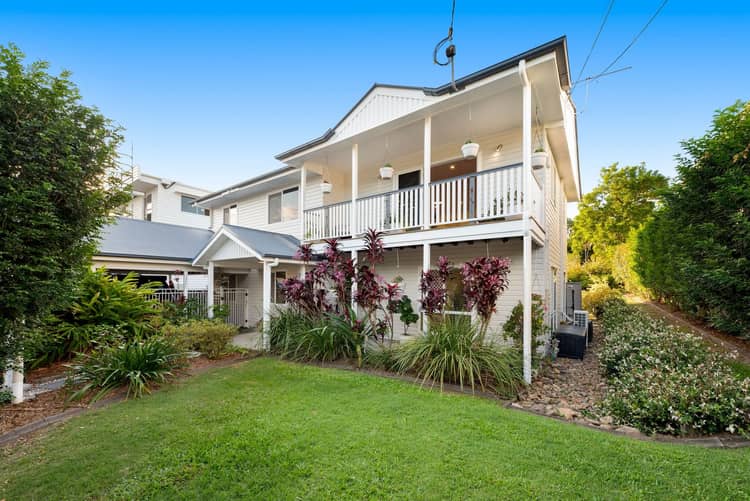
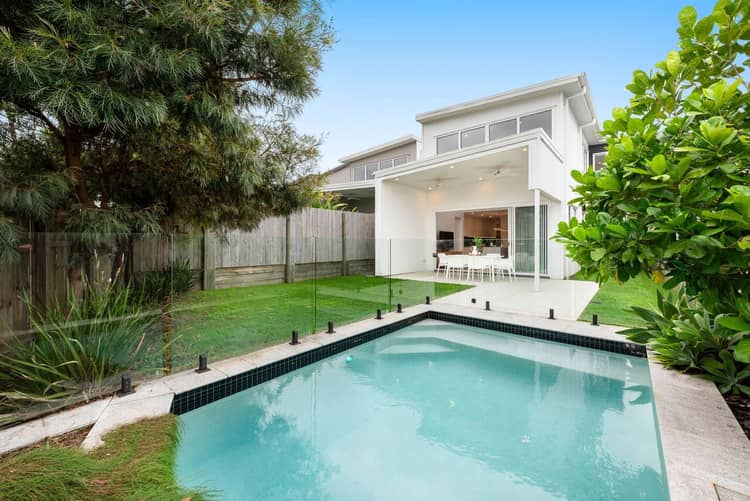
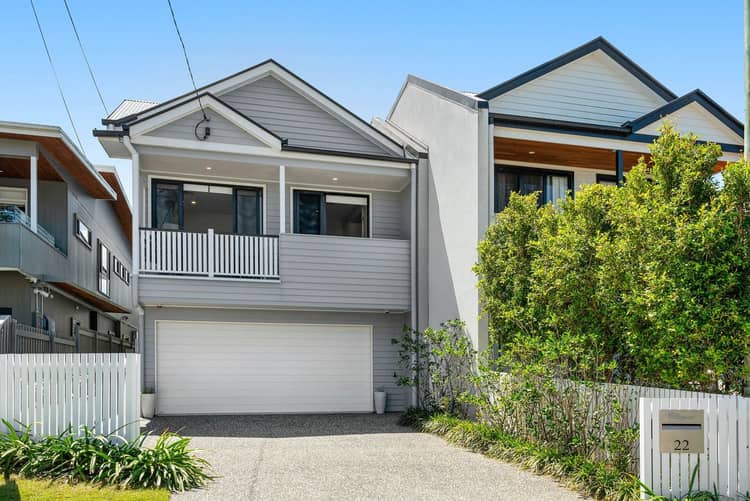
The ridge streets are the premium pocket. Elevated blocks with western or northern outlooks, character queenslanders, and a growing stock of architect-designed contemporary builds. The view-line streets carry a clear premium that the rest of the suburb does not.
The bushland-edge pocket sits along the Seven Hills Bushland Reserve boundary. These properties trade on privacy, established trees, and walking-track access from the doorstep. For buyers who want green-space proximity rather than CBD-view orientation, this is the natural pocket to look in.
The Old Cleveland Road corridor sits closer to the arterial. Convenient for transport, less elevated, and trades on a different value proposition. Properties here can offer a more accessible entry point into the suburb.
When buyers ask which Seven Hills pocket to target, the answer depends on whether they prioritise outlook, bushland access, or value. The three rarely combine in a single property.
Lifestyle and amenity
Seven Hills keeps one small village corner of its own: The Corso, the 1953 shopping node where the Skyline post office once stood. The Rabbit Hole Cafe at number 5 runs the coffee, Pitari's does the pizza, the Golden Buddha holds the Thai corner, and the medical and dental rooms fill the rest of the strip. It is a corner, not a strip, and the suburb likes it that way.
The Seven Hills Community Hub on Tallowwood Street adds something no neighbouring suburb has: a 162-seat theatre, the Ron Hurley, with an amphitheatre and studios in the bones of the old art college.
Everyday dining and retail run through the Camp Hill Marketplace and Martha Street, the Coorparoo Square precinct, and the Morningside village strip on Wynnum Road, each within five to seven minutes by car. Bennetts Road in Norman Park adds the nearest cafe strip, and Bulimba and Hawthorne are within seven to ten minutes.
For open space, the Seven Hills Bushland Reserve sits on the doorstep: 58 hectares of dry eucalypt forest with the Seven Hills Circuit walking track, Perrin Creek through its south-west corner, koalas and black cockatoos on the resident list, and a volunteer bushcare group tending it since 1993. Dogs are on-leash on the tracks, and the suburb has no off-leash area of its own. Seven council parks fill out the streets, including Palatine Hill Park on the Roman-named high ground.
The lifestyle here trades quiet residential streets for the absence of a full village strip. Buyers who want a coffee strip on the doorstep tend to look at Bulimba or Hawthorne. Buyers who want bushland ten minutes from the city consistently end up here.
Who's buying here
Three buyer types drive the Seven Hills market.
The largest group is inner-east upgraders. Buyers moving from Coorparoo, Norman Park, or Morningside who want the topography, the views, and the larger blocks Seven Hills tends to offer. They arrive with the budget and the local knowledge to recognise which streets carry the genuine premium and which are priced as if they did.
The second group is established families. The combination of school catchment access, the bushland reserve, and the relative quiet of the residential streets is genuinely rare in inner Brisbane. Families researching the inner east often shortlist Seven Hills late in the search and commit quickly when they understand what the suburb offers.
The third group is architect and renovation buyers. The character stock, the elevated blocks, and the contemporary builds already on the ridge streets all attract buyers who arrive looking for something specific rather than something generic. These buyers tend to be patient and decisive: they know what they want and they wait for the right property.
A campaign in Seven Hills speaks to all three at once. The pocket determines which segment leads.
Selling in Seven Hills
Selling in Seven Hills comes down to identifying which pocket the property belongs to and building the campaign around the buyer that pocket attracts.
A ridge-street property runs a campaign that leads with the outlook, the topography, and the elevated-block proposition. Photography matters disproportionately here because the view line is the asset, and amateur or wide-angle work that flattens the perspective costs the campaign. Drone work, twilight shots, and considered architectural photography are not optional.
A bushland-edge property leads with the privacy and the green-space access. The campaign is quieter and more story-led. The buyer is researching this pocket specifically, and the marketing has to land for that buyer rather than the generic inner-east buyer.
An Old Cleveland Road corridor property leads with value and convenience. The campaign acknowledges what the property is and what it is not, and attracts the buyer who is looking for entry-point access to the suburb rather than the premium pocket experience.
On method, both auction and private treaty can produce strong results in Seven Hills. The choice depends on the depth of buyer competition the specific property is likely to attract. Properties with broader appeal often suit auction. Properties with a narrower buyer profile sometimes do better with a measured private-treaty negotiation.
Compare with surrounding suburbs
Buyers considering Seven Hills typically also look at Camp Hill, Norman Park, Morningside, and Coorparoo.
Camp Hill is the natural alternative for family buyers focused on catchment. Different topography, more level streets, and a similar price level for comparable stock. The choice often comes down to whether the buyer wants the elevation or the more conventional inner-east family-suburb feel.
Norman Park shares the topography conversation and the character-home market. Norman Park is a tighter suburb geographically, with the ridge running through it producing a similar premium-versus-flat dynamic to Seven Hills.
Morningside is the natural neighbour to the east. Train station access on the doorstep, established village amenity on Wynnum Road, and a slightly different buyer profile that leans more toward upgraders looking for transport convenience.
Coorparoo sits south. Train station access, larger commercial precinct, and a price profile that often runs slightly below Seven Hills for comparable stock. Coorparoo and Seven Hills share buyers across both directions.
The lay of the land
Seven Hills, pocket by pocket.
Tap a marker for the detail. The pocket names are the ones locals and buyers actually use.
Nearby Suburbs
Results on streets like yours.
The Three-Phase Method
How a sale runs in Seven Hills.
Every Seven Hills campaign runs through the same three phases. Same discipline, same sequence. What changes is the suburb-specific tactics inside each one.
Book a Free WalkthroughPositioning
Before a single buyer sees the home, the price, the presentation and the story are locked in. Evidence-based pricing from recent comparable sales. Presentation decisions that earn their cost. A clear market narrative the campaign can carry.
In Seven Hills Elevated streets with city views carry a measurable premium. Ground-level Seven Hills homes need a different pricing anchor.
Creating Competition
Campaigns are built to surface qualified buyers early and hold them close. Targeted buyer outreach across the Ray White Bulimba network. Inspection structure designed to put multiple buyers in the same room in the first two weeks. Urgency comes from genuine competition, or it does not exist.
In Seven Hills Market on video and drone. Seven Hills rewards buyers who see the view before they inspect in person.
Protecting the Result
Negotiation is where weeks of preparation either pay out or leak. Commercial discipline at the offer stage. Contract terms that protect the price through to settlement. No result is real until the deal holds.
In Seven Hills Seven Hills campaigns attract out-of-area buyers. Manage building and pest conditions tightly so distant buyers cannot stall the process.
Planning to sell? Read the full guide: How to Sell Your Home in Seven Hills →
Want a starting-point estimate? Get an instant property valuation →
Free seller tools
Selling costs calculator · CGT timing calculator · Settlement date calculator
Common Questions
Seven Hills real estate questions.
What is Seven Hills Brisbane like as a suburb? +
Seven Hills is a quiet, elevated inner-east suburb approximately 6km from Brisbane CBD. It is known for large allotments, city and bushland views, and the Seven Hills Bushland Reserve which wraps the suburb on multiple sides. It feels more secluded than its location suggests, which is precisely what its buyers are looking for. Property is predominantly detached houses, with a mix of prewar character homes and more modern builds on generous blocks.
Who should I use as a real estate agent in Seven Hills? +
Daniel Gierach from Ray White Bulimba is a specialist in Seven Hills and the surrounding elevated inner east. With over a decade of sales in the area, Daniel understands the buyer profile, the premium that views and elevation command, and how to position a Seven Hills property to achieve the strongest result. Call 0412 523 821 for a no-obligation appraisal.
How far is Seven Hills from Brisbane CBD? +
Seven Hills is approximately 6km from Brisbane CBD by road. Access is via Wynnum Road and Old Cleveland Road. The suburb is within the inner east corridor and is close to shops, schools, and amenities in Norman Park, Morningside, and Carina.
How do I get a free property appraisal in Seven Hills? +
Contact Daniel Gierach directly on 0412 523 821 or submit a request via danielgierach.com. Daniel will arrange a walk-through of your property and provide a detailed appraisal based on current comparable sales, buyer demand, and your property's specific features.
Thinking of selling in Seven Hills?
Call me directly for a no-obligation conversation about your property and what it could achieve in today's market.
Off-Market & Pre-Market Access
Looking to buy in Seven Hills?
Many of the best properties here are spoken for before a sign goes up. Register your brief and Daniel will reach out when something comes up that fits.
Register your searchAreas Covered
Suburbs I specialise in.
Seven Hills
Elevated streets and city views in a quiet residential setting
Camp Hill
Elevated lifestyle living with strong buyer demand
Norman Park
Character homes and family-friendly streets
Hawthorne
Riverside living with premium appeal
Balmoral
One of Brisbane's most sought-after pockets
Bulimba
Village feel with strong community lifestyle
Brisbane, all of it.
The same documented method runs every campaign Daniel takes across all 164 Brisbane suburbs. Pick a region or search for yours.