Morningside
Selling in Morningside, Brisbane.
Specialist property sales in Morningside and Brisbane's inner east.
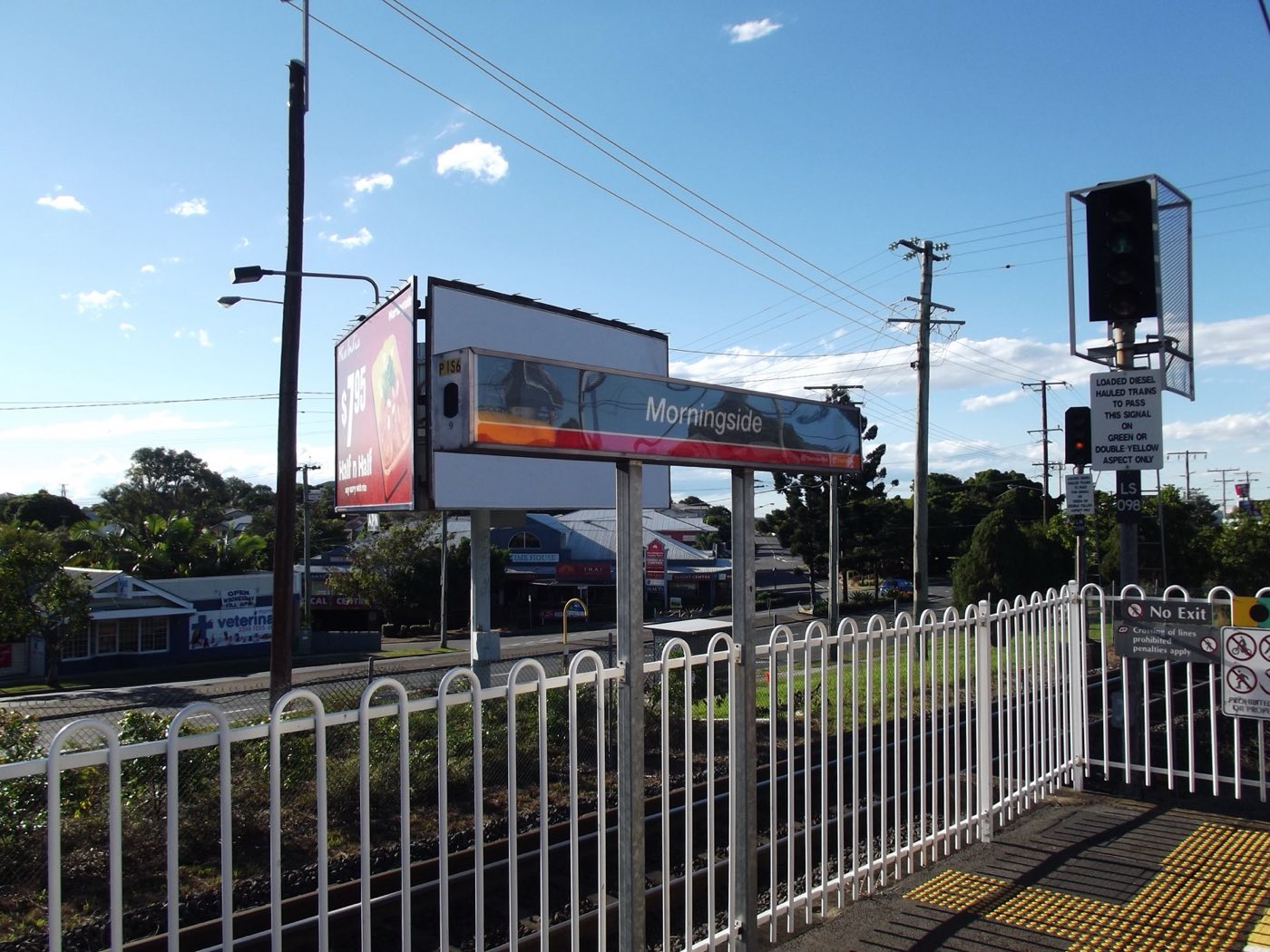
Photo: TravellerQLD · CC BY-SA 3.0
Morningside at a glance
To Brisbane CBD
5 km
Inner East Brisbane
The homes
Character + post-war
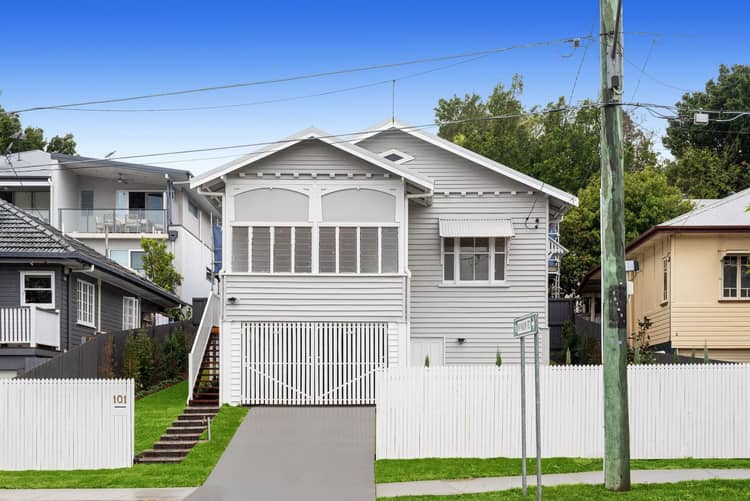
Cottages, post-war weatherboards and new townhouses around the strip
On the train
Morningside station
Cleveland line
Drive to the city
9 to 13 min
Off-peak
State primary
Morningside State School
Green space
15 parks
Colmslie Recreation Reserve, dog off-leash and the aquatic centre
Local Expertise
A growth suburb with serious momentum.
Morningside has transformed significantly over the past decade. Improved infrastructure, a growing cafe and dining scene, and strong capital growth have made it a priority suburb for buyers who searched Hawthorne and Bulimba. What was once considered a bridging suburb is now a destination in its own right, with genuine lifestyle appeal and a buyer pool to match.
I know the streets, the price points and the buyer profiles active in Morningside. That local knowledge translates directly into better-positioned campaigns and stronger results for sellers. When a buyer calls about a Morningside property, I can tell them specifically what differentiates one street from the next, because I have sold across the suburb.
Wynnum Road is the suburb's main artery, and the cluster of cafes, eateries and independent retailers near Morningside Plaza has helped reposition the suburb in buyers' minds over recent years. Properties on Wynnum Road itself attract a different buyer to the quiet residential grid behind it. Streets like Linton Street and Pemberton Street, tucked away from the main road, tend to attract owner-occupier families who prioritise low traffic and walkable access to the strip. Those two micro-markets behave differently at auction and respond to different campaign strategies.
The Airport Link tunnel is one of Morningside's most underappreciated selling points. Access to the tunnel puts Brisbane Airport around 10 to 12 minutes away, compared to 30 minutes or more via surface roads. For buyers with travel-heavy jobs or families with interstate connections, that is a genuine differentiator. Very few inner-east suburbs have it, and it rarely gets the weight it deserves in a conversation about why Morningside stands apart from its neighbours.
Cross River Rail adds another layer. Morningside station sits on the new line, and that means faster, more direct access to the CBD without the surface congestion that affects most inner-east commuters. Infrastructure projects of this scale have a documented history of pulling buyer demand forward in the years before completion. Buyers who understand that dynamic have been active in Morningside for that reason.
On price, Morningside sits meaningfully below Hawthorne and Bulimba medians while offering comparable block sizes, the same access to the Wynnum Road strip and substantially better transport infrastructure than either. For the buyer who has been outbid in Hawthorne twice and is recalibrating, Morningside is not a compromise. It is a considered choice with a strong case for further growth as the gap between it and its neighbours closes over time.
The entry-level end of the Morningside market is particularly competitive. Multiple registered bidders at auction is common rather than exceptional, and campaigns that are priced and presented accurately tend to generate strong opening bids. For sellers, that depth of competition is good news provided the campaign is set up to attract it. Loose pricing or undercooked presentation leaves registered bidders on the sideline. The buyers are there. The job is to bring them to the table on the right terms.
Book a Walk Through
Find out what your Morningside home is worth.
FAQ
Common questions about Morningside.
What drives property values in Morningside? +
Morningside property values vary by block size, position and condition. The suburb has undergone significant growth over recent years as buyers increasingly recognise its restaurant strip, character housing and connectivity as offering exceptional value within the inner-east corridor.
How long does it take to sell a home in Morningside? +
Well-presented Morningside homes typically sell faster than the Brisbane average when priced correctly. The suburb now draws a competitive buyer pool from across the inner east, particularly from buyers unable to secure property in neighbouring Hawthorne or Bulimba.
What has driven Morningside's recent price growth? +
Morningside's growth has been driven by its Wynnum Road restaurant and café strip, improving school catchments, good public transport and its position between Hawthorne and Cannon Hill. As buyers who searched Hawthorne and Bulimba have moved along the corridor, Morningside has benefited from increased demand and rising benchmarks.
Is Morningside a good suburb to buy in right now? +
Morningside remains one of the inner east's best-value propositions for buyers seeking lifestyle, connectivity and character housing at a meaningful discount to Hawthorne and Bulimba. Supply of quality homes is limited, and buyer demand from both owner-occupiers and investors remains strong.
Suburb deep-dive
A practical guide to Morningside.
The story of Morningside
Morningside takes its name from the Morningside Estate of early settler David Longlands, whose holding covered the ground between Wynnum, Thynne, Lytton and Junction Roads. The popular explanation, that the hills here catch the first of the morning sun, is a story locals enjoy rather than a documented fact, and both can happily be true at once.
The suburb grew along the railway. When the South Brisbane to Cleveland line opened in 1888, the station on today's site was actually called Bulimba, and dairy farms, sugarcane and tobacco worked the land around it. The estates followed: Richmond Park in 1884, then Morningside Estate, Coronation Park and Marooba Estate through the 1920s, which is when most of the character stock buyers chase today went up. Trams ran along Wynnum Road until 1969, the same year the Arndale drive-in centre opened at the Junction Road corner. That centre is Morningside Central today.
Morningside carries four state heritage listings, an unusual count for a suburb this size. The 1920s Morningside State School building on Pashen Street joined the Queensland Heritage Register in 2018, the fire station a few doors up at 105 Pashen Street has been listed since 1999, the wartime air raid shelter still stands at 580 Wynnum Road, and the former Commonwealth Acetate of Lime Factory sits on Colmslie Road. A local quirk: the fire station is named Balmoral Fire Station, and the AFL club named Morningside plays its home games in Hawthorne. The inner east has never been precious about matching names to boundaries.
The best local story belongs to Keralgerie Park on Richmond Road. The bluestone quarry there became a public swimming pool in 1940 and hosted the Australian diving championships in 1948, before being drained and filled in 1952. The park families use today sits on top of it.
For a seller, the point is simple. Morningside's station, its heritage streetscapes and its 1920s estates give the suburb a settled, established feel that newer suburbs cannot manufacture, and buyers pay for exactly that.
Getting around
Morningside has its own railway station on the Cleveland line, rebuilt and reopened at the end of 2024, with 186 parking bays. Most Morningside streets are within a 10 to 15 minute walk of the station, and the train is the practical CBD commute for many residents. Off-peak travel to Central runs around 20 minutes. Live timetables at translink.com.au/plan-your-journey.
For buses, the 221 works the Wynnum Road corridor into the city over the Story Bridge, and the 230, 235 and 236 run Lytton Road. Routes change with TransLink service updates, so the journey planner is the reliable source for any specific street.
By car, the Story Bridge puts the CBD around 9 to 13 minutes away off-peak. Gateway Motorway access via the nearby Cannon Hill or Lytton interchanges handles airport and M1 routes.
For active transport, the Norman Creek bikeway runs through the area, and many streets have walking access to the Wynnum Road village strip.
For full timetables, route maps, and live updates: translink.com.au
Schools
Morningside State School on Pashen Street is the local state primary, and its 1920s main building is state heritage-listed. Most of the suburb sits in its catchment; confirm any specific address on the Queensland Government's catchment lookup at qgso.qld.gov.au/maps/edmap.
For secondary state schooling, Balmoral State High School on Thynne Road, just across the Balmoral boundary, is the common catchment for Morningside addresses. Verify any specific street on the lookup.
For private schooling, Sts Peter and Paul's in Bulimba, Lourdes Hill College in Hawthorne and Cannon Hill Anglican College in Cannon Hill all sit in adjoining suburbs, and the school run from most Morningside streets is a few minutes to any of them.
Pockets and character
Morningside breaks into three pockets buyers consider distinctly.
The Wynnum Road village pocket sits close to the shopping and dining strip. Mix of character homes, contemporary builds, and townhouses. Walkability to coffee, casual dining, and daily-life retail is the proposition.
The station-adjacent pocket is built around walking access to Morningside station. Mix of character and post-war stock. The most contested pocket for transport-focused buyers.
The family streets sit further from the arterials. Quieter residential character, established family-home stock, larger blocks. The traditional character home market in the suburb.
When buyers ask which Morningside pocket to target, the answer depends on whether they prioritise village walkability, train access, or quiet residential streets.
Lifestyle and amenity
The Wynnum Road strip is the daily anchor. Flour and Chocolate at 621 Wynnum Road pulls people from well outside the suburb for its pastry cabinet, Sarmic Cafe at 639 handles the long weekend brunch, and the small strip at 595 covers the quick options. Morningside Central on Junction Road, the 1969 Arndale drive-in centre in its current form, carries the Woolworths, and Morningside Plaza across Junction Road doubles the daily-needs cover.
For sport, the Morningside Tennis Centre on Beverley Street runs twelve lit courts, and Colmslie Recreation Reserve at the riverfront end of the suburb combines the fenced dog off-leash area, the boat ramp and the Colmslie Aquatic Centre. Fifteen council parks sit inside the suburb, including Keralgerie Park on Richmond Road, the filled quarry pool with a story most locals have never heard.
For the bigger village nights, Oxford Street in Bulimba and the Hawthorne Garage precinct are seven to ten minutes away, and the cinema on Oxford Street, the Balmoral Cineplex, is in Bulimba despite the name.
The lifestyle here is practical inner-east. Train, strip, tennis, river-end parkland and residential quiet bundled at a more accessible entry point than the riverside suburbs.
Who's buying here
Four buyer types drive the Morningside market.
The largest is inner-east upgraders moving from Cannon Hill, Murarrie, or further east who want the village strip and train station combination Morningside offers. They arrive with budget and local knowledge.
The second group is established families targeting the Morningside catchment and the family-suburb feel of the quieter residential streets.
The third group is buyers who have searched Bulimba and Hawthorne and redirect here for more house at the same money. The village strip, the train, and the riverside-suburb adjacency make Morningside the natural next look.
The fourth group is investors. Train station, village strip, and arterial access support rental demand consistently.
A campaign here speaks to all four. The pocket and stock type determine which segment leads.
Selling in Morningside
Selling in Morningside means understanding which pocket the property belongs to and which segment it speaks to most strongly.
A village-pocket property runs the walkability campaign. Coffee, casual dining, and daily-life retail on the doorstep is the asset.
A station-adjacent property runs the transport campaign. The walk to the station and the daily-commute proposition lead the marketing.
A family-street property runs the family-home campaign. School catchment access, residential quiet, and block size lead.
On method, both auction and private treaty work in Morningside. Properties with broad appeal often suit auction. Investor-grade properties can suit either method depending on buyer pool depth.
Compare with surrounding suburbs
Buyers considering Morningside typically also look at Cannon Hill, Norman Park, Bulimba, and Hawthorne.
Cannon Hill is the natural neighbour with similar train access and the K-Mart Plaza precinct. Often considered together and the choice frequently comes down to which catchment and which lifestyle access the buyer prioritises.
Norman Park is the inner alternative for buyers who want character stock and topography. Different lifestyle, different price profile, similar transport access.
Bulimba is the riverside-village alternative at a higher entry point. Buyers who start their search in Bulimba routinely land in Morningside.
Hawthorne is the riverside-village alternative on the other side of the price line. Similar buyer profile dynamic to Bulimba.
The lay of the land
Morningside, pocket by pocket.
Tap a marker for the detail. The pocket names are the ones locals and buyers actually use.
Nearby Suburbs
Results on streets like yours.

The Three-Phase Method
How a sale runs in Morningside.
Every Morningside campaign runs through the same three phases. Same discipline, same sequence. What changes is the suburb-specific tactics inside each one.
Book a Free WalkthroughPositioning
Before a single buyer sees the home, the price, the presentation and the story are locked in. Evidence-based pricing from recent comparable sales. Presentation decisions that earn their cost. A clear market narrative the campaign can carry.
In Morningside Post-code borders with Cannon Hill and Bulimba shape buyer expectations. Lean into the Morningside identity, not against it.
Creating Competition
Campaigns are built to surface qualified buyers early and hold them close. Targeted buyer outreach across the Ray White Bulimba network. Inspection structure designed to put multiple buyers in the same room in the first two weeks. Urgency comes from genuine competition, or it does not exist.
In Morningside Cross River Rail and Bulimba ferry proximity are Morningside's two biggest competition levers. Use both in the campaign brief.
Protecting the Result
Negotiation is where weeks of preparation either pay out or leak. Commercial discipline at the offer stage. Contract terms that protect the price through to settlement. No result is real until the deal holds.
In Morningside Morningside buyers shop Cannon Hill in parallel. Close the comparison early so you are not negotiating against the neighbour.
Planning to sell? Read the full guide: How to Sell Your Home in Morningside →
Want a starting-point estimate? Get an instant property valuation →
Free seller tools
Selling costs calculator · CGT timing calculator · Settlement date calculator
Thinking of selling in Morningside?
Call me directly for a no-obligation conversation about your property and what it could achieve in today's market.
Off-Market & Pre-Market Access
Looking to buy in Morningside?
Many of the best properties here are spoken for before a sign goes up. Register your brief and Daniel will reach out when something comes up that fits.
Register your searchAreas Covered
Suburbs I specialise in.
Morningside
Growth suburb with great connectivity and lifestyle
Hawthorne
Riverside living with premium appeal
Bulimba
Village feel with strong community lifestyle
Cannon Hill
Quiet streets and a strong sense of community
Carina
Family-friendly suburb with quiet streets and great value
East Brisbane
Walkable inner-city living with character and convenience
Brisbane, all of it.
The same documented method runs every campaign Daniel takes across all 164 Brisbane suburbs. Pick a region or search for yours.